6 Unique Renovation Ideas to Transform Your Etobicoke Home
Home renovations are about more than updating outdated finishes or following the latest design trends. They're an opportunity to make your home more comfortable, functional, and reflective of your personality. Whether you're living in an older Etobicoke home, a family property in Mississauga, or a newer house somewhere else in the Greater Toronto Area, the right improvements can completely change how you enjoy your living space.
Of course, not every renovation needs to involve knocking down walls or investing in a major addition. Sometimes, a few creative upgrades can make a surprisingly big difference. The trick is to look beyond the usual kitchen and bathroom renovations and consider areas of your home that might be overlooked.
At Peter & Greg Walker Contracting, we specialize in exterior home renovations throughout the GTA. While our work focuses on helping homeowners improve and protect their home's exterior, we also believe in sharing helpful home improvement advice. Here are six unique renovation ideas to get your creative juices flowing.
1. Get Creative With Your Lighting
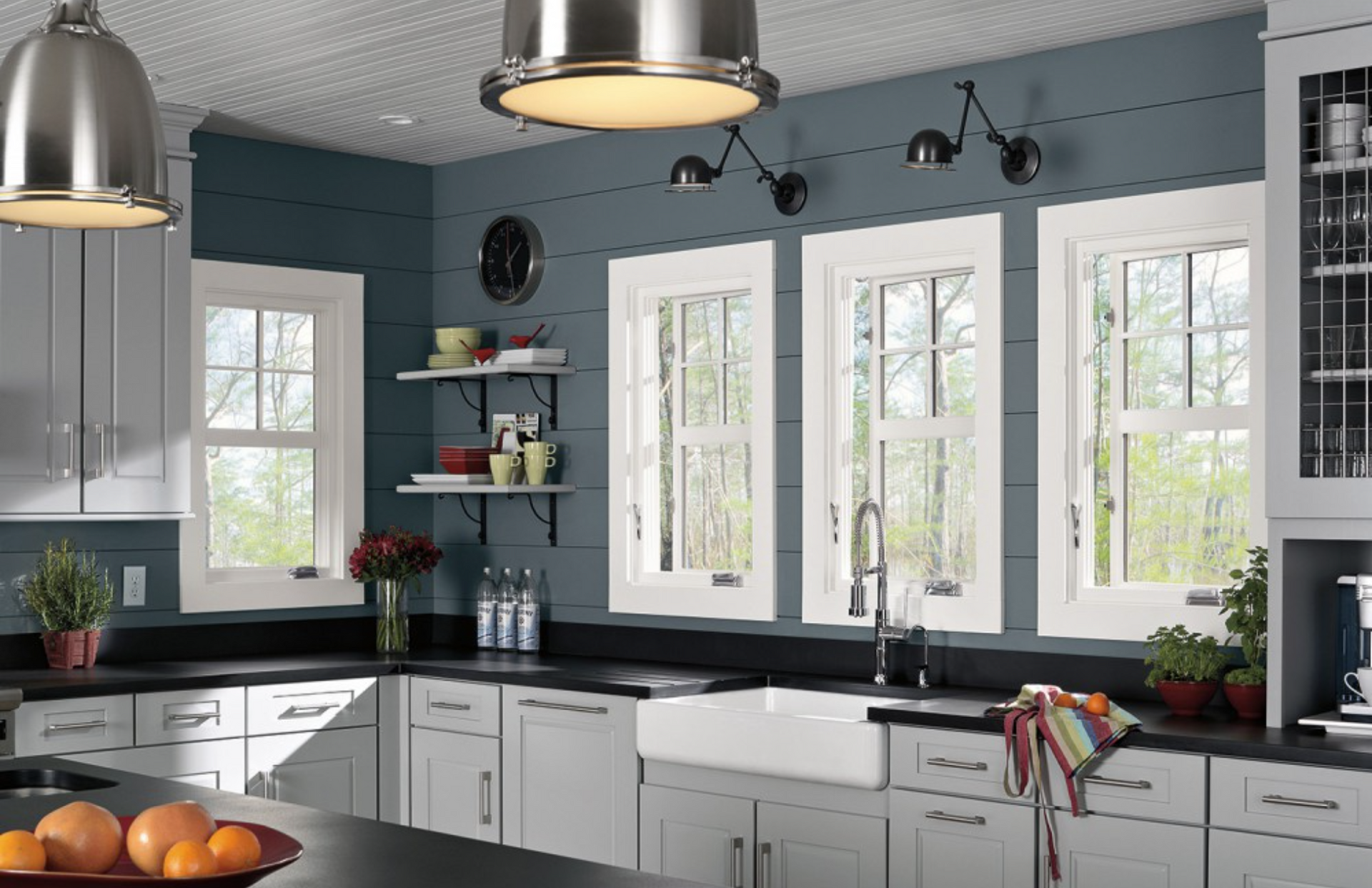
Lighting is one of the easiest ways to change the atmosphere of a room, but it's often an afterthought during home renovations. Most homeowners stick with a central ceiling fixture and a few lamps. There's nothing wrong with that, but a more thoughtful lighting plan can make an ordinary room feel much more inviting.
Consider using multiple types of lighting throughout your home.
- Ambient lighting: This provides the general illumination for a room. Recessed ceiling lights, flush-mount fixtures, and chandeliers are common examples.
- Task lighting: This is designed for specific activities, such as reading, cooking, or working. Under-cabinet kitchen lighting, desk lamps, and vanity lights are good examples.
- Accent lighting: This draws attention to particular features, such as artwork, architectural details, shelving, or decorative objects.
One interesting approach is to use lighting to create the impression of more space. For example, LED strip lighting beneath floating shelves or kitchen cabinets can add depth and make a smaller room feel less confined. Wall sconces can also add warmth without taking up valuable floor or table space.
If you have a basement room or an interior hallway with limited natural light, consider brighter fixtures, strategically placed mirrors, and lighter wall colours to make the area feel more open.
A word of advice: If your lighting renovation involves adding new electrical circuits, relocating fixtures, or cutting into walls and ceilings, bring in a qualified electrical professional. Planning the wiring and fixture placement properly from the beginning will save headaches later.
2. Turn Ordinary Storage Into a Design Feature
Storage doesn't have to be boring. In fact, some of the most attractive rooms incorporate shelving and cabinetry as part of their overall design.
Rather than filling every available wall with standard cabinets, think about how storage can become an architectural feature.
Floating shelves are a great example. They work particularly well in living rooms, bedrooms, and home offices, where they provide space for books, plants, photographs, and decorative items without making the room feel crowded.
You can also consider:
- Built-in shelving surrounding a fireplace or television.
- Floor-to-ceiling bookcases that make use of otherwise wasted wall space.
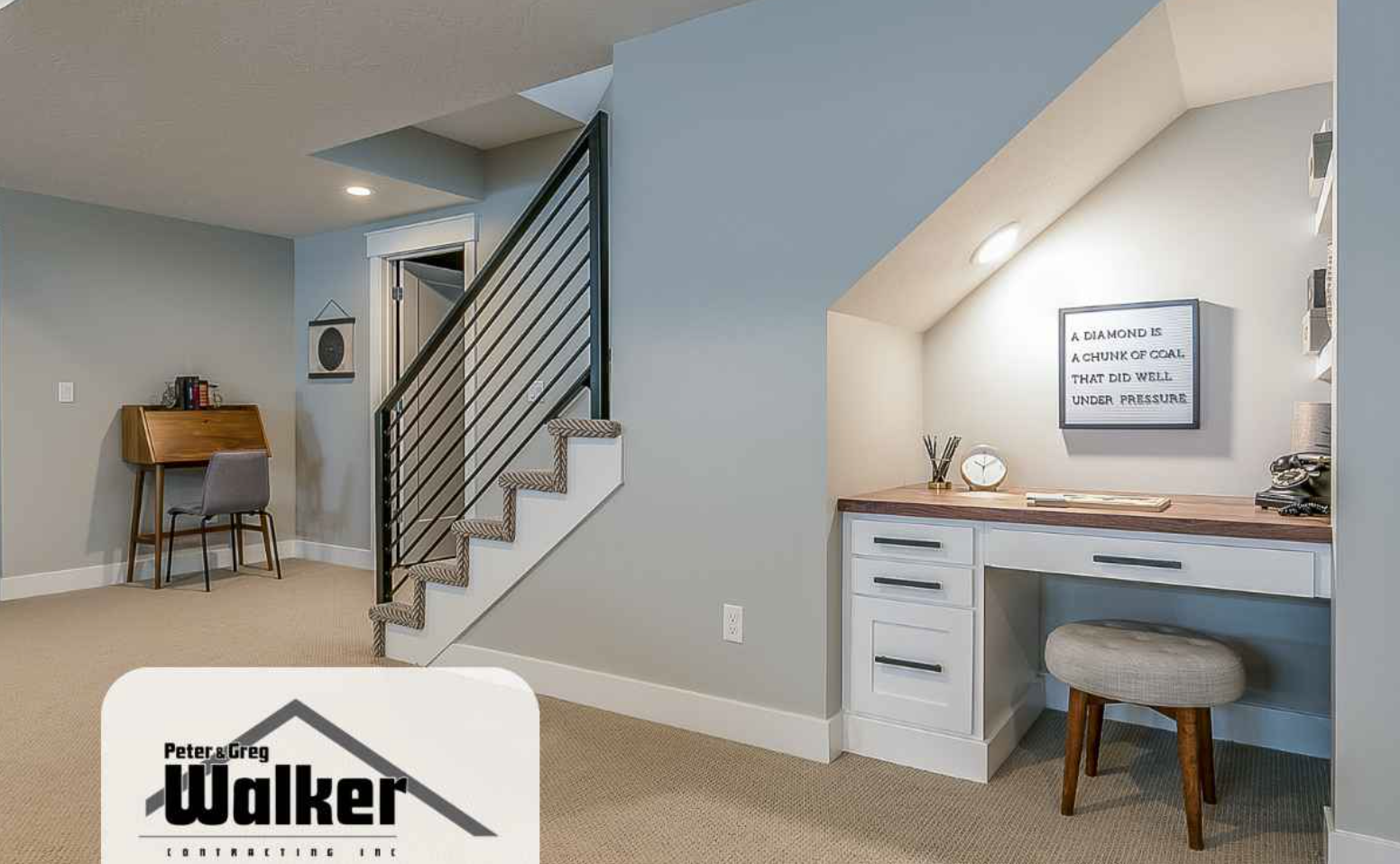
- Custom cabinetry beneath staircases.
- Window-seat storage with hidden compartments.
- Built-in bedroom wardrobes that blend into the surrounding walls.
For homeowners in older Toronto neighbourhoods, built-in storage can be especially useful. Some older houses have smaller closets, unusual room layouts, and limited storage compared with newer construction. Making better use of existing space can be a practical alternative to expanding the home.
The key is to balance appearance with functionality. Think about what you'll actually store, how frequently you'll need access to it, and whether open or closed storage makes more sense.
A combination of both often works best. Display the things you enjoy looking at, and keep everyday clutter tucked away behind cabinet doors.
3. Give Your Garage a Much-Needed Makeover
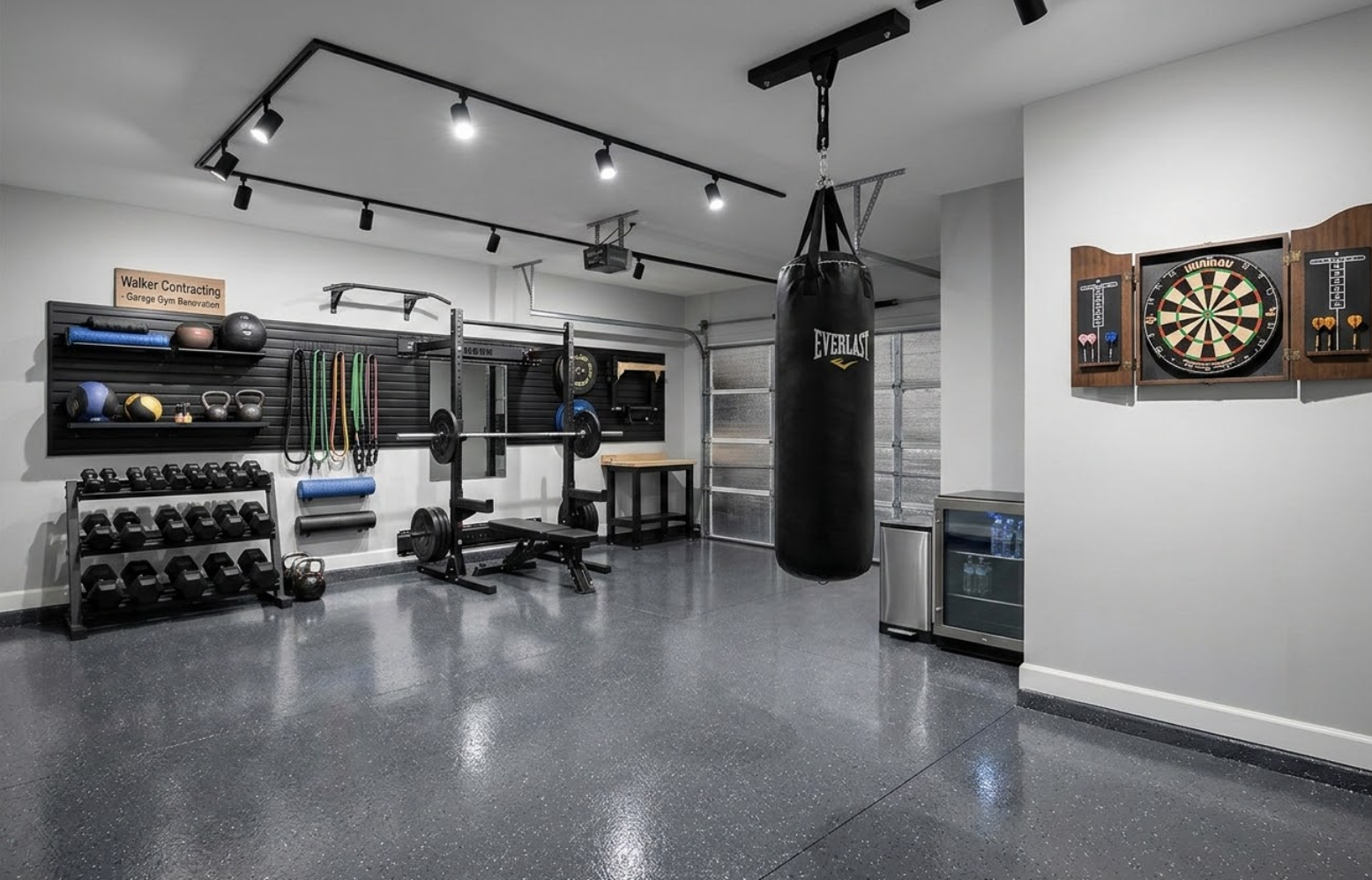
When homeowners think about renovations, the garage is often the last place that comes to mind. It's usually treated as somewhere to park the car, store seasonal decorations, and leave things that don't quite belong anywhere else.
But why waste all that space?
A garage makeover can make a noticeable difference in how you use your property. Depending on its size and layout, you could transform it into a more organized storage area, a workshop, a hobby space, or even a dedicated home gym.
Start with the basics. A fresh coat of paint, improved lighting, and a thorough clean-out can make the garage feel like an entirely different space. If your concrete floor is stained or worn, consider a suitable floor coating designed for garage use.
Next, think about organization. Wall-mounted shelving, overhead storage racks, and dedicated tool cabinets can help free up valuable floor space. This is particularly useful if you still want to park your vehicle inside during the winter.
Some homeowners may even consider creating a small office or hobby area within the garage. However, converting a garage into a regularly occupied living space involves more than adding a desk and some furniture. Insulation, heating, ventilation, moisture control, fire separation, and applicable building requirements all need to be considered.
If you're planning a more substantial conversion, check with the City of Toronto or your local municipality about permits and zoning requirements before getting started.
4. Create a Multipurpose Room That Works for Your Lifestyle
Our homes have become increasingly important as places to work, relax, exercise, and spend time with family. Instead of dedicating an entire room to one activity, consider creating a multipurpose space that can adapt to your needs.
For example, a spare bedroom could double as a home office. A guest room with a wall bed and built-in desk can provide a comfortable place for visitors without sacrificing everyday functionality.
Other possibilities include:
- A basement recreation room with a dedicated exercise corner.
- A dining area that incorporates a small work-from-home station.
- A reading nook with built-in seating and bookshelves.
- A hobby room with flexible storage and adjustable work surfaces.
- A family room with concealed storage for children's toys and games.
The secret is to plan the room around how you actually live. If you're working from home several days a week, you'll probably want proper task lighting, comfortable seating, and enough electrical outlets. If the room needs to accommodate overnight guests, privacy and sleeping arrangements become more important.
Furniture can also make a big difference. Folding desks, modular shelving, storage ottomans, and convertible furniture help you get more out of limited square footage.
For many GTA homeowners, especially those who don't want to move to a larger property, making existing rooms work harder is a smart way to improve everyday living.
5. Don't Overlook Your Basement
Basements are often among the most underused areas of a home. Some become storage rooms, while others remain unfinished for years. With some planning, however, a basement can become one of the most useful and enjoyable spaces in the house.
Depending on your needs, you could create a family entertainment room, a children's play area, a home gym, or a quiet retreat away from the busier parts of the home.
Before thinking about flooring, furniture, and paint colours, though, make sure the basement is suitable for renovation.
Moisture is one of the biggest concerns. Toronto-area homes experience everything from heavy spring rainfall to freeze-thaw cycles during the winter. Water entering through foundation walls, poor drainage, or plumbing issues can cause damage to finishes and contribute to mold growth.
Before finishing the space, check for signs of water intrusion, musty odours, damp walls, and condensation. Address any underlying moisture problems first.
You'll also want to consider ceiling height, insulation, heating, ventilation, and emergency egress requirements where applicable. If the renovation involves adding a bedroom or creating a separate living unit, additional building and fire-safety requirements may apply.
A finished basement can be a fantastic investment in your home's functionality, but getting the groundwork right is essential.
Request Your FREE Estimate!
6. Refresh Your Interior With Unexpected Finishes and Details
Sometimes, the most interesting renovations aren't about changing the layout at all. They're about adding character through materials, colours, and details that make a room feel different.
Instead of choosing the same finishes everyone else is using, consider introducing a feature that gives your home a little personality.
For example, an accent wall made with decorative wood panelling can add warmth and texture to a living room or bedroom. A bold backsplash can become the focal point of a kitchen, while a contrasting ceiling colour can make a room feel more distinctive.
Other ideas worth exploring include:
- Textured wallpaper to create depth in smaller rooms.
- Decorative wall moulding for a more traditional appearance.
- Contrasting cabinet colours in kitchens and bathrooms.
- Statement interior doors with distinctive hardware.
- Natural wood finishes to introduce warmth and character.
- Large-format tiles to create a cleaner, more contemporary look.
Don't be afraid to mix materials, either. Combining wood, metal, stone, and different textures can create an interesting look without making the room feel overly decorated.
Just remember to think about the overall appearance of your home. You don't want every room competing for attention. Choose a few standout features and use complementary colours and finishes throughout the rest of the space.
A Few Things to Consider Before Starting Your Next Renovation
Whatever type of renovation you're considering, a little planning goes a long way.
First, establish a realistic budget. It's easy to get carried away with design ideas, but materials, labour, electrical work, plumbing, and unexpected repairs can add up quickly. Build some flexibility into your budget rather than spending every dollar on the original plan.
Next, consider how different improvements affect one another. For example, upgrading insulation without considering ventilation can create indoor air quality and moisture concerns. Similarly, finishing a basement before addressing water intrusion can lead to expensive problems down the road.
Natural Resources Canada offers a helpful guide called Renovating for Energy Efficiency. It explains why homeowners should consider the house as a complete system, including insulation, air sealing, ventilation, windows, doors, and heating and cooling equipment.
It's also worth checking whether your project requires a building permit. Requirements vary depending on the scope of work and the municipality. Homeowners in Toronto, Etobicoke, Mississauga, and surrounding communities should check with their local building department before beginning major renovations.
Finally, don't rush the design stage. Take the time to compare materials, think about how you'll use the finished space, and speak with qualified professionals when the work involves structural changes, electrical systems, plumbing, or other specialized trades.
Looking for Ways to Improve Your GTA Home?
A great renovation doesn't always mean starting from scratch. Sometimes, the best improvements come from looking at familiar spaces differently and finding creative ways to make them more useful.
At Peter & Greg Walker Contracting, we're proud to help homeowners throughout Etobicoke and the Greater Toronto Area improve and protect their properties through professional exterior renovations. From roofing and siding to windows and doors, we help homeowners make improvements that contribute to their property's appearance, comfort, and long-term protection.
Even if your next project is an interior renovation, we hope these ideas have given you some inspiration. And when it's time to give your home's exterior some attention, our team is here to help.
Contact Peter & Greg Walker Contracting to discuss your next exterior home improvement project in Etobicoke or anywhere across the Greater Toronto Area.