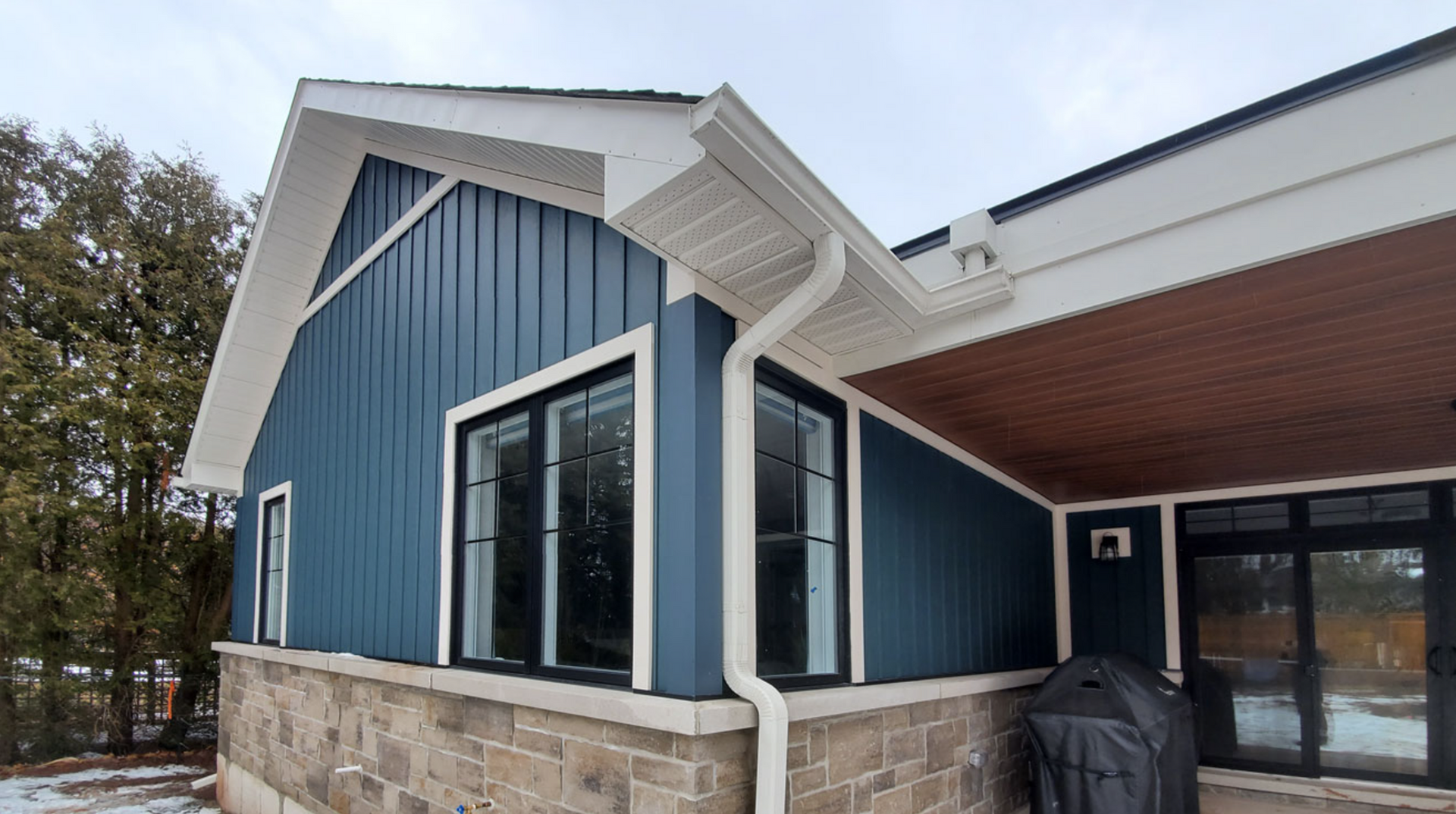
5 Critical Exterior Audit Steps for GTA Homes Before Winter Arrives
Every November across the Greater Toronto Area, we see the same seasonal shift. The leaves finish falling in Etobicoke, chilly breezes start blowing off Lake Ontario, and homeowners begin pulling out winter coats and snow shovels.
As exterior contractors who have worked on homes across Toronto, Mississauga, and Oakville for decades, we can tell you that winterizing your home is about far more than swapping your garden hose for a snowblower. Southern Ontario winters bring a punishing combination of sub-zero cold, biting lake-effect winds, and messy freeze-thaw cycles. When temperatures hover right around zero degrees, melting snow refreezes overnight, exploiting every hairline crack, worn seal, or clogged drainage point on your home's exterior envelope.
Taking an afternoon in early November to complete a focused exterior audit will save you from emergency mid-winter service calls, interior water stains, and skyrocketing heating bills.
Here are the five critical exterior checkpoints every GTA homeowner should inspect before the first major snowfall.
1. Inspect and Refresh Exterior Window Caulking
Windows are one of your home's primary defenses against moisture and drafts, but even premium high-performance windows cannot perform if the perimeter seal is failing. Over several seasons of Ontario humidity and direct summer sun, standard exterior caulking naturally dries out, shrinks, and separates from brick or siding.
When you inspect your window perimeters, look closely for fine hairline cracks along the bead of caulking, gaps where the sealant has pulled away from masonry or vinyl trim, and brittle, flaking, or missing sections, especially along upper window heads and lower sills.
A failed bead of caulking might seem minor, but driving late-autumn rains and melting snow can seep directly behind your exterior siding or brick veneer. Once moisture enters the wall cavity, it compromises wood framing and batt insulation long before you ever spot a watermark on your drywall.
Caulking Contractor Tip: Avoid simply applying a fresh layer of silicone over dirty, failing caulk. For a lasting seal, scrape away the deteriorated caulking using a 5-in-1 tool, brush the joint clean of dirt and debris, and apply a high-grade, exterior-rated elastomeric polyurethane or hybrid sealant designed to flex during extreme Southern Ontario temperature swings.
2. Test and Upgrade Door Weatherstripping and Sweeps
Drafty exterior doors are responsible for a significant amount of household heat loss during Toronto winters. As building materials settle and humidity levels drop, wooden frames contract, exposing subtle gaps around entry doors, side doors, and sliding patio systems.
To check whether your doors are winter-ready, try the classic dollar-bill test:
- Open your exterior door and place a standard bill flat across the doorframe jamb.
- Close and latch the door.
- Gently pull the bill. If it slides out with zero resistance, your compression weatherstripping has flattened or deteriorated and is no longer creating an airtight thermal barrier. Repeat this check at the top, latch side, hinge side, and bottom sill.
Check the sweep at the bottom of your door as well. Rubber and neoprene sweeps often tear or bend from daily foot traffic, allowing freezing drafts and blowing snow to slip directly into your foyer. Replacing worn perimeter weatherstripping with durable silicone or EPDM foam, and installing an adjustable heavy-duty aluminum door sweep, takes less than an hour and pays immediate dividends on your monthly gas bill.
3. Clear Roof Valleys, Intersections, and Gutter Inlets
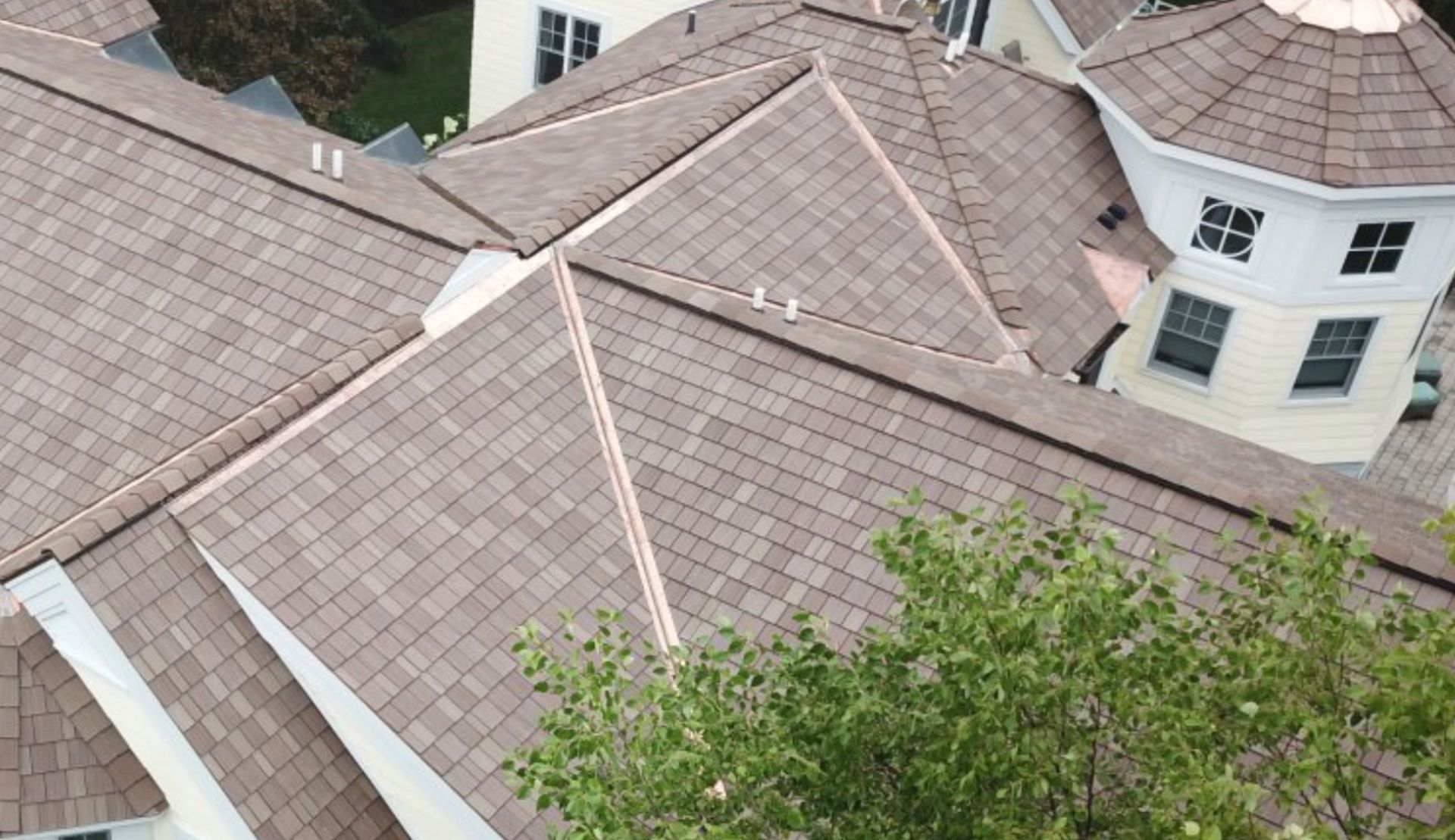
By November, deciduous trees throughout GTA neighbourhoods like The Kingsway, High Park, and Mineola have dropped their final foliage. Leaves, pine needles, and broken twigs inevitably accumulate in roof valleys, the V-shaped intersections where two roof slopes meet to channel water away.
Roof valleys handle an immense volume of runoff. When wet organic debris gets trapped in these channels, it creates two major problems:
- Water Backups: Debris acts as a sponge and a dam, slowing water drainage and forcing moisture underneath shingle edges.
- Freeze Traps: As temperatures drop, saturated leaf piles freeze solid, creating an artificial barrier that accelerates early-winter ice buildup.
While inspecting your valleys from ground level (or safely from a secured ladder), inspect your eavestrough drop outlets where water enters the downspouts. If leaves choke these drainage points, autumn rain cannot escape. The standing water will freeze solid during the first deep freeze, causing heavy gutters to pull away from the fascia board and tear out structural fasteners.
4. Seal the Attic Hatch and Verify Upper-Level Insulation
Many homeowners assume exterior winter issues begin and end on the outside of the building. In reality, the most destructive exterior winter problem in Ontario, ice damming, is almost always triggered from inside your attic.
Ice dams form when warm indoor air escapes into the attic space and warms the underside of the roof deck. The snow directly on top of the warm roof shingles melts, runs down toward the cold roof edge and eaves, and refreezes into a thick ridge of ice. As water backs up behind this ice ridge, it works its way under shingles, dripping through roof sheathing, rotting rafters, and ruining ceilings.
The most common culprit behind attic heat loss is an unsealed attic access hatch. Often located in an upper-hallway ceiling or master closet, an uninsulated drywall hatch acts like an open chimney, pulling conditioned warm air straight into the unconditioned roof cavity via stack effect.
To prevent this:
- Weatherstrip the interior lip of the hatch opening using closed-cell foam tape to create an airtight seal when closed.
- Fasten a thick piece of rigid foam board (R-10 or higher) or batt insulation directly to the backside of the hatch panel.
- Ensure latch hardware or sliding clips pull the hatch cover tight against the weatherstripping.
According to research and energy guidelines published by Natural Resources Canada, effectively air sealing the attic floor and maintaining consistent continuous thermal insulation is the single most reliable strategy for preventing attic moisture problems, stopping roof ice dams, and reducing home heat loss.
5. Check Roof Flashing and Soffit Intake Vents
A healthy roof system relies on balanced air exchange: cool outdoor air enters through the lower soffit vents along your eaves and exhausts through ridge or static vents near the peak. This continuous airflow keeps the attic temperature close to the outside temperature, stopping premature snowmelt before it starts.
Before winter sets in, stand back from your home and examine your soffit panels:
- Are soffit intake perforations clogged with dust, dirt, or insulation blown out of position?
- Are panels securely anchored, or has wind loosened them, inviting nesting birds or squirrels seeking winter shelter?
Next, visually inspect the metal flashing around critical exterior roof penetrations, including masonry chimneys, plumbing stacks, skylights, and dormer sidewalls. Flashings expand and contract at different rates than surrounding brick and asphalt shingles. Look for loose counter-flashing, cracked roofing cement, or lifted step-flashing. Addressing a minor flashing repair in dry November weather is straightforward; tracking down an active roof leak beneath three feet of January snow and ice is a homeowner's nightmare.
Pre-Winter Exterior Checklist Quick Summary
| Component | What to Look for | Corrective Action |
|---|---|---|
| Window Perimeter | Cracked, missing, or separated caulking | Strip old sealant; apply exterior elastomeric caulking |
| Exterior Doors | Light visible around frame; loose dollar bill test | Replace compression seals; adjust bottom door sweep |
| Roof Valleys | Trapped leaves, needles, and blocked downspouts | Safely clear debris channels to ensure free runoff |
| Attic Access Hatch | Loose-fitting drywall hatch; missing insulation | Apply closed-cell foam tape and rigid board insulation |
| Soffit & Flashing | Blocked air intake holes; loose metal chimney collars | Clear soffit baffles; reseal flashing before winter freezes |
Protect Your Investment Before the Snow Flies
Your home's exterior envelope is an interconnected system. When windows, doors,
attic insulation, and roofing work together as intended, your home remains warm, dry, and energy-efficient no matter what an Ontario winter throws at it.
If your preliminary audit reveals worn seals, damaged flashing, or chronic draft issues, taking care of repairs before the deep freeze sets in will protect your home and keep your family comfortable all season long. Have questions about your roof's condition or planning an upcoming exterior renovation? Reach out to our family-owned team at Peter & Greg Walker Contracting for honest, practical advice tailored to Greater Toronto homes.
Get 20% Off Your Window Upgrade Today
Financing is available, contact us for more!
We Offer Flexible Financing to Make Your Vision a Reality